By early evening in mid-September, the lane leading to Juhu Beach starts filling up long before the sky changes colour. Dhol beats carry from three streets away. A truck decorated in marigold and tinsel inches forward with a Ganesh idol strapped upright at the back, and the people walking beside it are in no hurry to get anywhere. This is Juhu during Ganeshotsav, and it looks nothing like the postcard version of the neighbourhood most visitors expect.
Ganesh Chaturthi 2026 falls on Monday, September 14, with the ten-day celebration closing on Anant Chaturdashi, September 25. For those ten days, Juhu runs on a different clock. Mornings are for prayer and modak, evenings belong to processions, and the beach itself becomes something closer to a stage than a stretch of sand.
What Ganeshotsav Actually Looks Like in Juhu
Most households in the lanes around Gulmohar Road and Juhu Tara Road bring their Ganpati home on the first day and keep him for one and a half, five, or seven days before immersion, depending on family tradition. Pandals go up outside housing societies with lights strung between balconies, and by the second evening you can hear aartis overlapping from three different buildings at once.
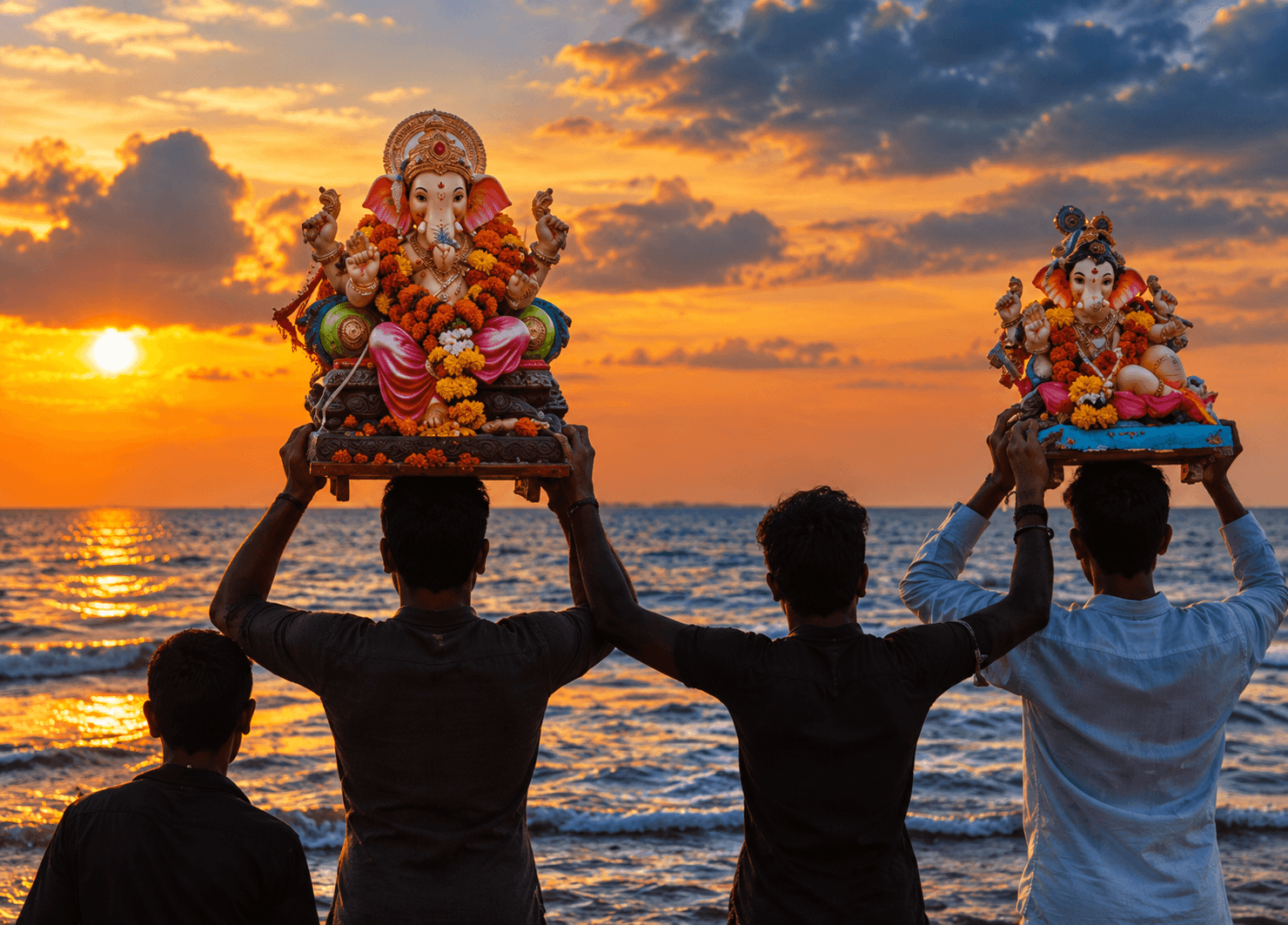
Juhu Beach itself is one of the busiest visarjan points in the city, second only to Girgaon Chowpatty in scale. On the big immersion days — the one-and-a-half day visarjan, the fifth day, and especially Anant Chaturdashi — the road along the beach gets closed to vehicles from late afternoon, and idols arrive on foot, on trucks, and occasionally carried on shoulders through a crowd that parts and re-forms around them. Fire brigade boats and lifeguard teams stay stationed offshore the entire time, which says something about how seriously the immersion is managed here.
One thing many visitors miss: the biggest crowds don't build until closer to sunset, and the real peak on Anant Chaturdashi often runs past midnight. If you want to see the processions without getting stuck in a crush of people, arrive around 4 PM, find a spot near the Juhu Beach police chowky end, and let the evening happen around you rather than trying to walk with the parade.
The Sound Before the Sight
You hear Ganeshotsav in Juhu before you see it. Dhol-tasha groups rehearse in society compounds for weeks beforehand, and by the time the actual processions start, entire troupes of drummers lead the idols down to the water. Local shops along Juhu Tara Road stay open late, selling coconuts, flowers, and camphor to families walking down for the immersion. Street vendors who normally pack up by 10 PM stretch their hours to well past midnight on visarjan nights, because nobody's going home early.
If you're staying nearby, this is worth experiencing even if you're not part of any particular family's celebration. Standing at a respectful distance near the shoreline, watching a procession hand an idol over to the waves while a hundred voices chant "Ganpati Bappa Morya, Pudhchya Varshi Lavkar Ya" — asking Ganpati to return again next year — is one of those moments that doesn't translate well into photographs. You more or less have to be there.
Where the Festival Meets the Everyday
Juhu doesn't stop being Juhu just because it's festival season. ISKCON Temple, less than a kilometre from the beach, holds its own extended aartis and bhajan sessions through Ganeshotsav, and the crowd there tends to be calmer than at the beach itself — worth a visit if you want the devotional side of the season without the noise. Prithvi Theatre, tucked into a quieter lane nearby, usually keeps its regular evening show schedule running, so you can watch a play at 7 PM and still make it to the beach by 9 for the later processions.
Food carts near the beach lean festive during this period too. Alongside the usual bhel and pani puri stalls, you'll find vendors selling modaks — the steamed rice-flour dumplings offered to Ganpati — and sabudana vada for anyone observing a fast. A lot of these stalls only appear during Ganeshotsav and disappear again once Anant Chaturdashi passes, so if a vendor's cart looks temporary, it probably is.
Then the Season Shifts to Sunsets
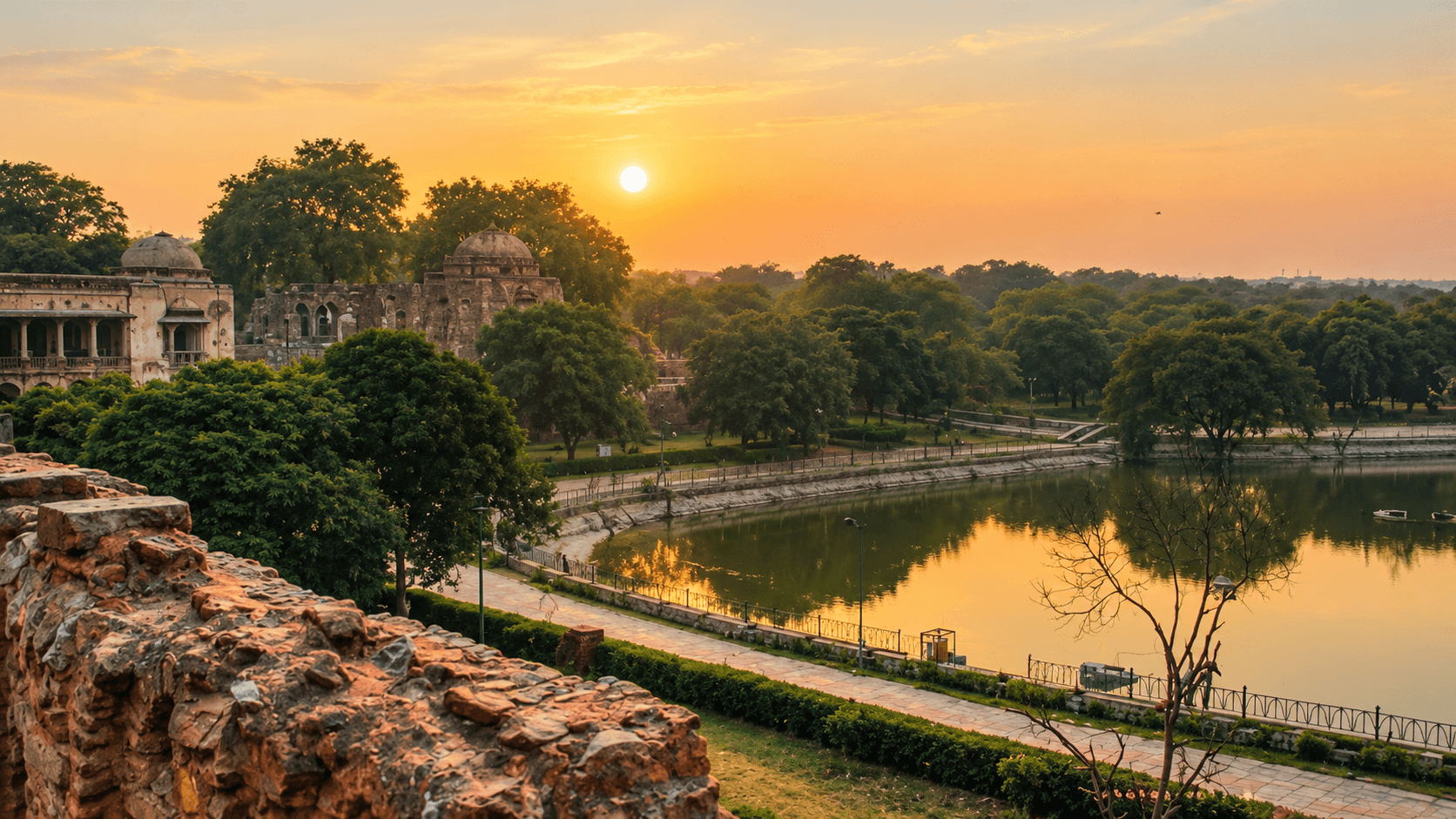
Once the immersions wind down, Juhu goes back to its quieter rhythm, and that's when the beach sunsets take over as the main attraction. Between late September and November, sunset over the Arabian Sea usually happens around 6 to 6:20 PM, and the promenade fills up gradually from about 5:30 onward — joggers first, then families, then couples who've timed their walk for exactly the right light.
The crowd at Juhu Beach for sunset is different from the festival crowd. It's slower. People sit on the sand rather than move through it. Horse rides and small ferris wheels operate near the northern stretch, kids run after kites that never quite catch the wind, and vendors selling bhutta — roasted corn rubbed with lime and chilli — do steady business right through dusk. If you're walking down after a day of sightseeing, the stretch between Juhu Beach police chowky and the ISKCON end tends to be less crowded than the main entrance near Juhu Tara Road, especially on weekdays.
A Few Things Worth Knowing Before You Go
Getting a car anywhere close to the beach on visarjan evenings is close to impossible — traffic police shut down sections of road with little notice, so plan to walk the last stretch. Weekday sunsets are noticeably calmer than weekend ones, when half of western suburban Mumbai seems to show up at once. And if you're combining a temple visit with the beach, do ISKCON first in the late afternoon, then walk down to catch the light changing over the water — the two are close enough that you're not really adding to your evening, just extending it.
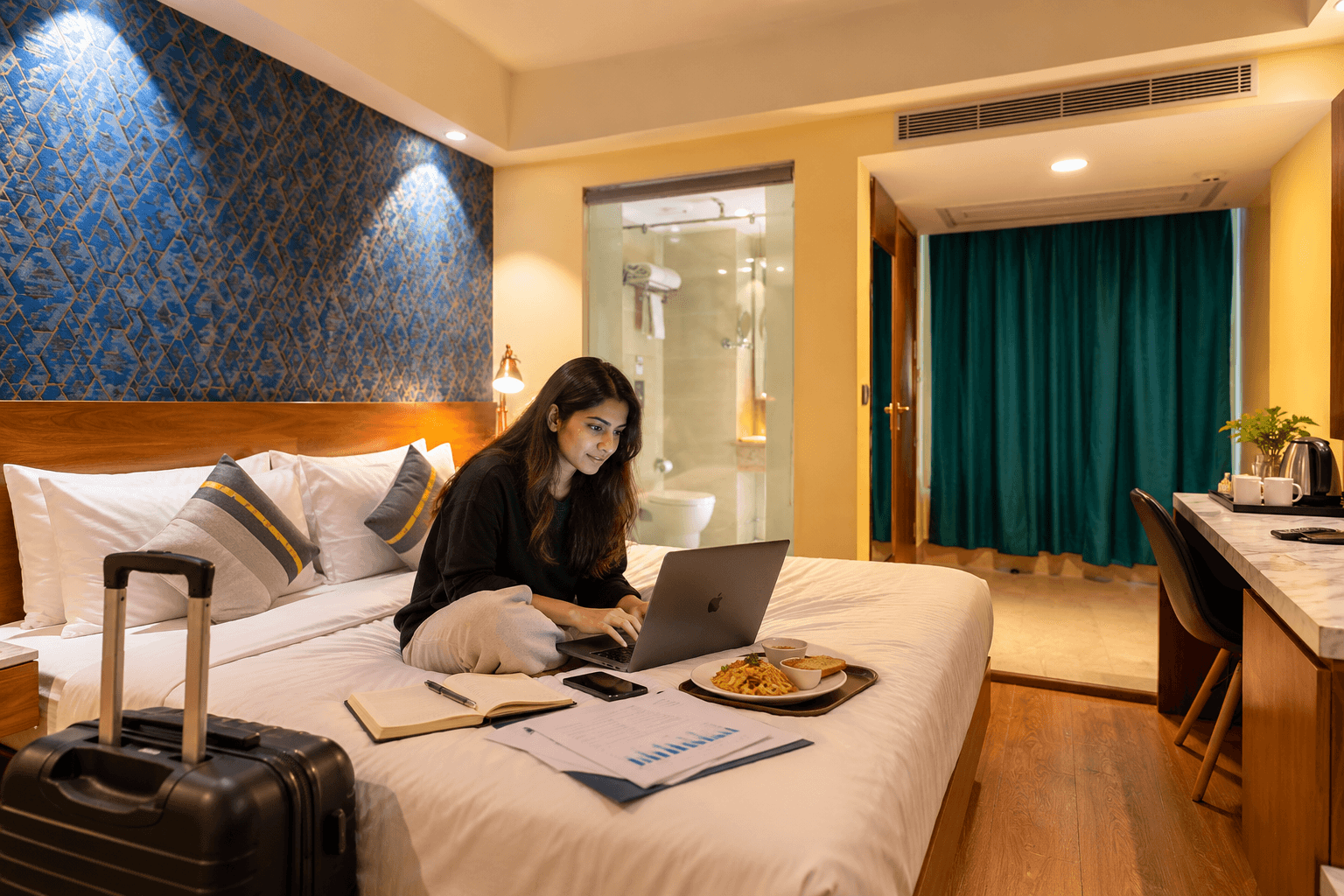
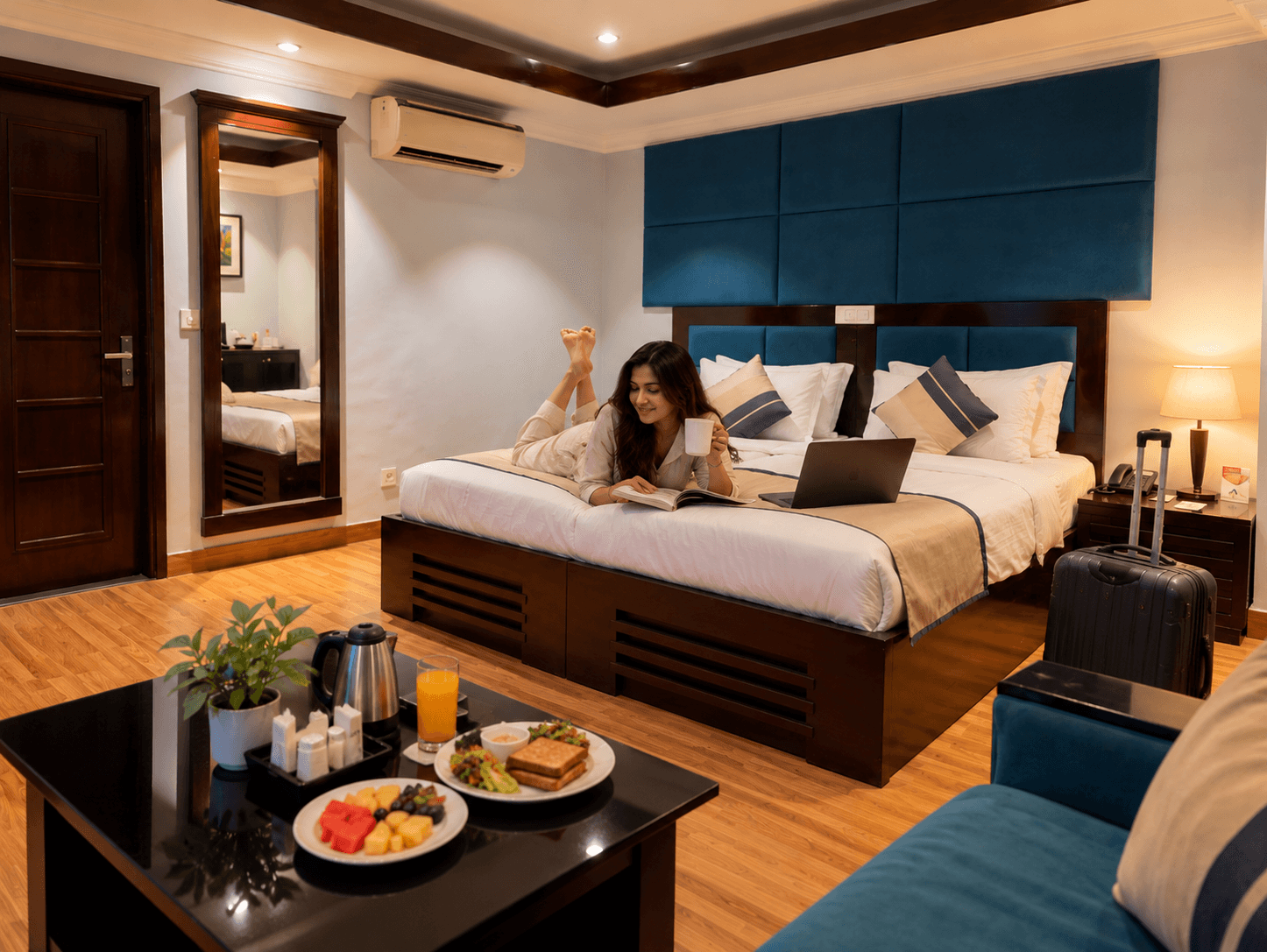
Staying close to the beach makes a real difference during this stretch of the year, since so much of what's worth experiencing happens outdoors between 5 PM and midnight. Travellers who stay near Juhu Beach — asar Elite by Orion Hotels sits about 300 metres from the shore — usually end up going back and forth two or three times in an evening: once for the temple or theatre, once for dinner at somewhere like Blue Parrot Cafe, and once more just to see how the crowd has changed by 9 PM. Being a short walk away removes the pressure of timing everything around traffic.
The Season in One Evening
If there's one evening that captures both sides of Juhu's festive season, it's probably a fifth-day visarjan evening that happens to fall on a clear day. You'll see families in fresh clothes walking their Ganpati down to the water by 6, drummers keeping pace beside them, camphor smoke drifting off somewhere near the shoreline. By 7:30, once most of the immersions for that batch are done, the beach quietens just enough for the sunset crowd to take over the same stretch of sand the processions used an hour earlier. Two completely different moods, same 300 metres of coastline, separated by about ninety minutes.
That overlap is really what makes Juhu worth visiting during this window. Most of Mumbai's festive energy is concentrated in specific pockets — Lalbaug for Ganeshotsav, Marine Drive for New Year's Eve — but Juhu manages to hold both a major religious celebration and one of the city's best everyday sunsets on the same stretch of beach, within the same week. Spend a few evenings walking that stretch and you'll understand why so many people who come for the festival end up staying long enough to catch the sunsets too.
If you're planning a visit around Ganeshotsav or just want a base close enough to walk to the beach for sunset, check rooms at asar Elite by Orion Hotels — it's a four-minute walk from the shoreline described above.